
Europe
Europe
- Region: Europe
- Topics: Geothermal
- Date: 04 Feb, 2025
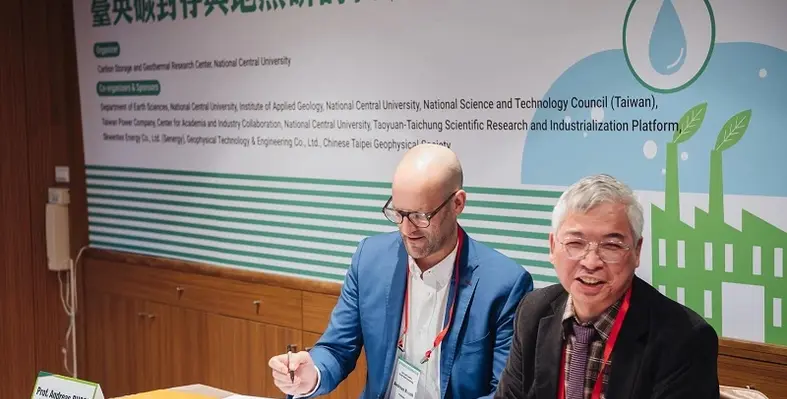
Scotland-based Heriot-Watt University has joined forces with the National Central University (NCU) in Taiwan to advance research and innovation in geoenergy to address some of the key global energy concerns.
- Region: Europe
- Topics: Geothermal
- Date: 04 Feb, 2025
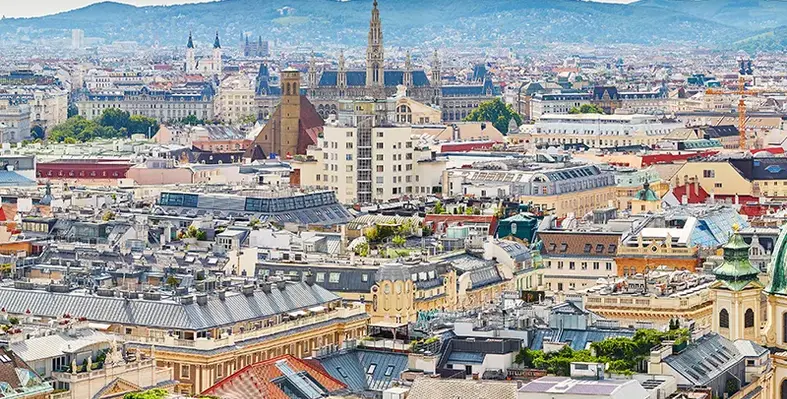
The Austrian capital is investing US$21bn in energy efficiency initiatives to end its reliance on Russian natural gas imports. The city is expanding its use of heat pumps, geothermal energy, and decentralised heating systems to provide sustainable warmth for residential and public buildings.
- Region: Europe
- Topics: Geothermal
- Date: Jan, 2025
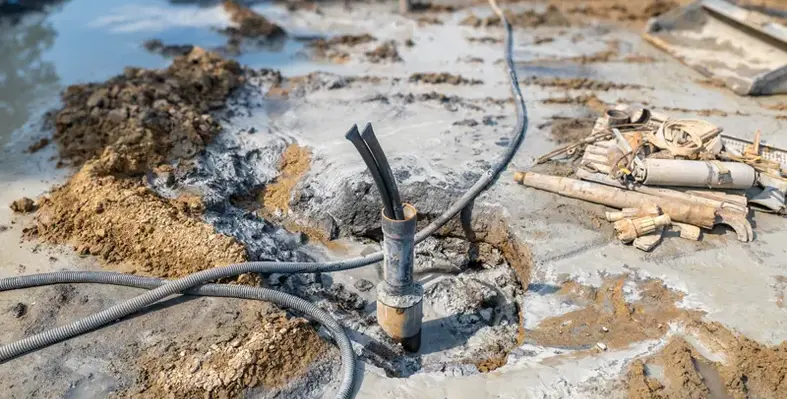
The European Geothermal Energy Council has announce five endorsed nominations for the Ruggero Bertani European Geothermal Innovation Award 2025.
- Region: Europe
- Topics: Geothermal
- Date: Jan, 2025
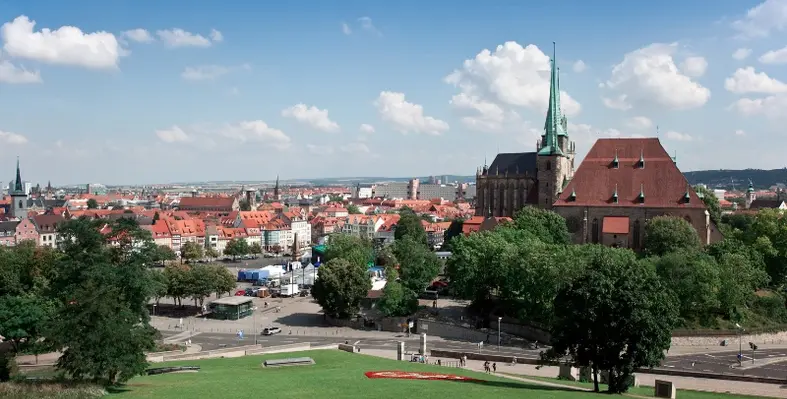
Erfurt, which is the capital of the German state of Thuringia, will conduct seismic surveys in the summer of this year, to explore a potential geothermal reservoir for district heating.
- Region: Europe
- Topics: Geothermal
- Date: Jan, 2025
Arverne Group, a key industrial player in renewable underground resources, has partnered with Dalkia and Ile-de-France Energies & Territoires to create a low-carbon geothermal heating network for the towns of Clichy-sous-Bois and Livry-Gargan.
Through its subsidiary 2Gré, Arverne Group has signed a contract for the design, operation, and management of the geothermal network, which will provide sustainable, low-carbon, and affordable energy to local residents.
The project involves rehabilitating the existing network and installing a new system to serve newly developed neighborhoods. By 2031, the network will span 26 km and have a production capacity of 115 GWh. With 91% renewable energy, the geothermal network is expected to reduce CO2 emissions by 20,000 tons annually, which is equivalent to removing 10,000 cars from the road. Starting July 1, the project will result in nearly a 50% reduction in household energy bills and lift approximately 1,100 families out of fuel poverty.
The total investment in this initiative amounts to nearly 90 million euros (approx. US$98.7mn), with support from all project partners, ADEME, and the Ile-de-France Region. Operations will commence in 2025, and the concession will last for 30 years. 2Gré will be responsible for the engineering, geothermal drilling, and maintenance work, with assistance from Arverne Drilling Services.
Pierre Brossollet, Founder and CEO of Arverne Group, stated, "This operational collaboration with Dalkia and Ile-de-France Energies & Territoires reflects the trust placed in Arverne Group and the excellent expertise of its subsidiaries 2Gré and Arverne Drilling Services. By deploying our integrated and innovative offer, we are demonstrating our ability to decarbonise local heating networks thanks to geothermal energy, a local and renewable energy that reduces CO2 emissions, while offering significant savings on energy bills for individuals, local authorities and businesses."
- Region: Europe
- Topics: Geothermal
- Date: Jan, 2025
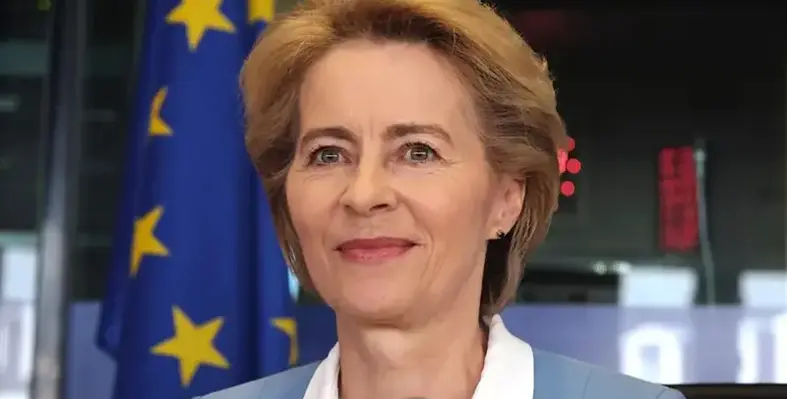
Reducing energy costs within the European Union is a primary goal, and the European Commission will unveil measures to address this issue next month, president Ursula von der Leyen recently announced.
"Energy prices in Europe are still structurally higher than in the United States and in China, and they vary significantly within the European Union," von der Leyen noted.
"We must bring them down while we complete the phase-out of Russian fossil fuels." She emphasized that diversifying energy sources and investing in "next generation clean energy technologies" were essential for lowering prices, citing fusion, enhanced geothermal, and solid-state batteries as examples.
Geothermal energy taps into the heat from deeper layers of the Earth’s crust to generate power. In contrast to conventional nuclear reactors, fusion involves fusing atomic nuclei at extremely high temperatures rather than splitting them.
Von der Leyen also highlighted the need to attract more private investment for the modernization of electricity grids and storage infrastructure, alongside improving the connection of low-carbon energy systems.
The Commission views the EU's high energy prices as a major hurdle to reviving its struggling economy and enhancing the bloc's global competitiveness. Von der Leyen stated she will present a plan for affordable energy in February.
- Region: Europe
- Topics: Geothermal
- Date: Jan, 2025
Europe's geothermal market has a new kid in the block with the advent of Swiss company Borobotics, which has launched an autonomous mini drilling machine as the 'world's most powerful worm'.
This 13.5 cm wide and 2.8 meters long tool that only takes up as little as a parking space is capable of empowering Europe with the mass adoption of geothermal energy, as the country seeks greener alternatives for electricity generation.
While deep drilling requiring large rigs is a costly affair, Borobotics' tool can hit a maximum depth of 500 m -- enough to meet the rising demand for geothermal heat pumps. A handy tool to install, its operation doesn't require manual support as it evaluates its moves while penetrating the ground. The tool is equipped with sensors that can detect obstacles such as water or methane, and seal the bore accordingly.
Borobotics came to being in 2023, and with its first funding, is planning to test the robot in real conditions.
- Region: Europe
- Topics: Geothermal
- Date: Jan, 2025
In his general policy statement made to the National Assembly last week, the French Prime Minister Jean-François Bayrou stated he believes that geothermal, along with nuclear energy, will be important elements for the country’s low-carbon strategy towards the energy transition.
The Prime Minister said during his address, “Ecology is not the problem. This is the solution. The effort to be made on this crucial subject, this adaptation, France has started it better than any country in the world. For me, this is a priority, an ardent obligation that must be pursued and expanded: plan the transition by finalising our low-carbon strategy; preserving our biodiversity; to produce, but in a carbon-free way, thanks to new technologies.
“I am thinking in particular of our energy policy. This policy has one goal: carbon-free energy accessible to all. To achieve this, nuclear is an essential axis, and geothermal energy, an inexhaustible reservoir of free calories under our feet, is also an essential one.”
The French Association of Geothermal Professionals expressed their support for the Prime Minister’s statement via social media, commenting, “These words can only encourage all players in the geothermal sector to continue their daily action for the development of this carbon-free solution capable of producing heating and cooling in our buildings.”
In December 2023, France’s Ministry of Energy Transition published the finalised action plan to accelerate the development of the geothermal energy sector with the aim to support the development of the clean energy source to meet renewable heating and cooling targets for individual and collective buildings in the country. The plan is made up of 27 priority actions and 23 complementary actions aligned to eight different geothermal axes from regulatory framework to raising awareness and skillsets. The full plan can be found via this link.
- Region: Europe
- Topics: Geothermal
- Date: Jan, 2025
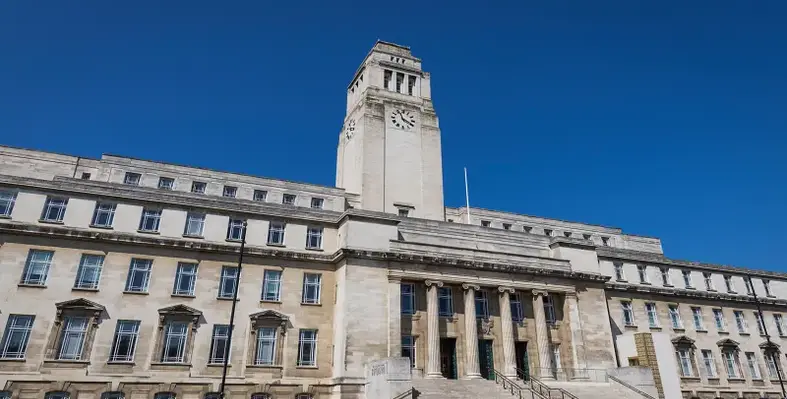
GeoGrid, a project devised to explore the benefits and applications of geothermal energy within the UK, has been awarded £3.7mn in funding through the Ofgem Strategic Innovation Fund (SIF) to enhance energy efficiency and decarbonisation throughout the country.
Geosolutions Leeds will collaborate with Northern Powergrid, LCP Delta, E. ON Next, Leeds City Council and Star Refrigeration on the project in a bid to overcome the challenges presented by geothermal development and the energy transition, such as rising electricity demand, increasing costs and inefficiencies in the renewable sector.
Addressing demands
The GeoGrid project will use data from the University of Leeds’ Geothermal Campus living lab to further understand how long-term thermal energy storage can improve the UK energy system’s efficiency and sustainability as well as understand how the energy can be implemented on a bigger scale as a solution to the issues presented by the energy transition.
By integrating geothermal storage into the energy system, GeoGrid aims to lower network connection costs, reduce costly reinforcement and enhance grid resilience. The project will also aid in demonstrating how the interaction of geothermal systems with energy markets can strengthen the business case for district heating.
Dr Emma Bramham, Lecturer in Applied Geophysics and Structural Geology and GeoGrid Project Lead for the University of Leeds, said, “This innovative collaboration will use the University’s unique geothermal living lab facilities to explore new ways of improving energy system efficiency and sustainability.
“The ability to store excess renewable energy beneath the city’s streets will help make best use of green electricity resources and speed up the UK’s transition to net zero.”
- Region: Europe
- Topics: Geothermal
- Date: Jan, 2025
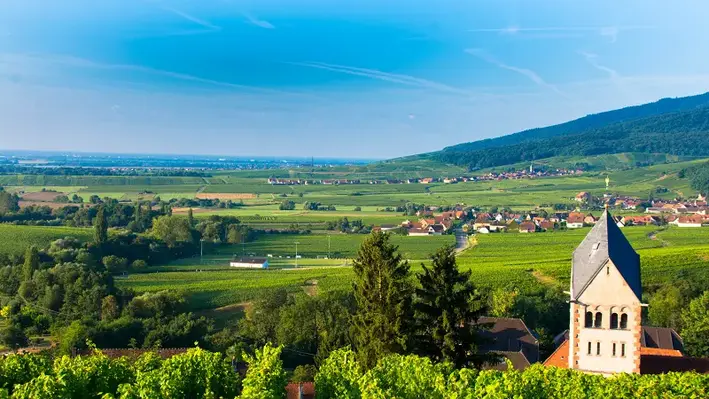
The French industrial company Arverne Group, who specialise in the production of renewable underground resources, announced earlier this month that its subsidiary, Lithium de France, has agreed to acquire wellheads from global technology giant SLB for its geothermal project in Alsace.
- Region: Europe
- Topics: Geothermal
- Date: Jan, 2025
Nominations for the Ruggero Bertani European Geothermal Innovation Award came to an end last week, with applications currently being evaluated on grounds of originality, innovation, reliability, emission reductions, and improvements in energy output.
- Region: Europe
- Topics: Geothermal
- Date: Jan, 2025
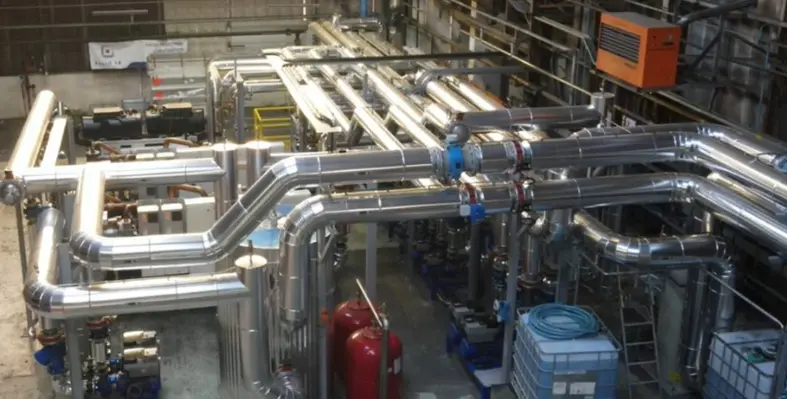
Stellantis has unveiled a cutting-edge geothermal system at its manufacturing site in Caen, France, designed to provide sustainable heating and cooling solutions for the facility.