
Europe
Europe
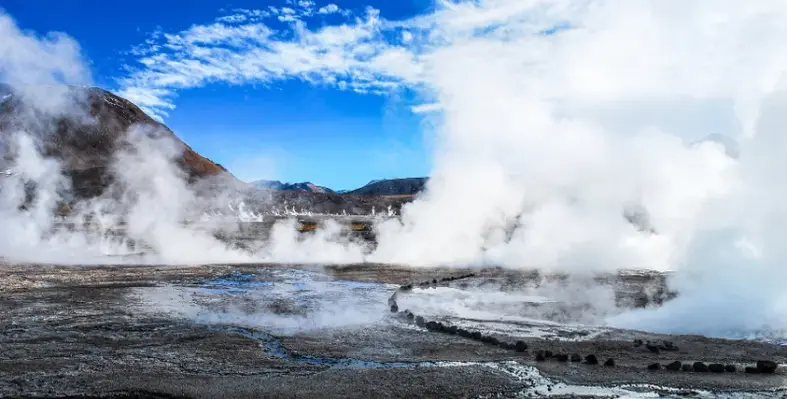
Clean Energy Technologies, Inc. has entered into a strategic collaboration with Qymera Global Energy Ltd. to advance and commercialize the DeepFyre geothermal power system, designed to deliver scalable, cost-efficient, zero-emission baseload power for island nations and emerging global markets.
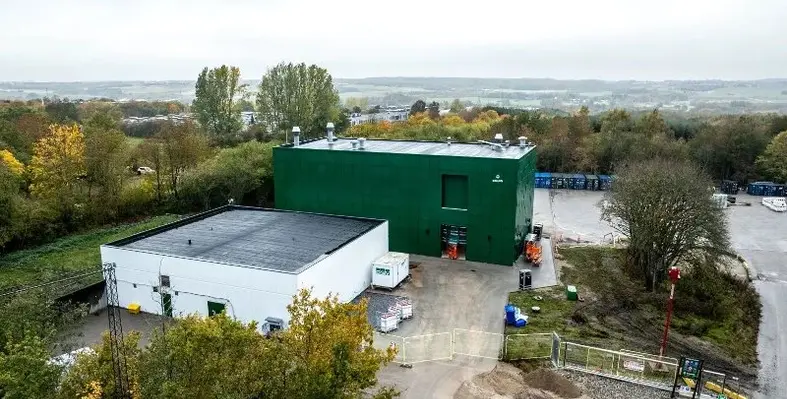
Aarhus, Denmark, has achieved a major milestone in sustainable heating as the first geothermal heat now flows into homes, marking the start of what will become the largest integrated geothermal district heating system in the European Union.

The DeepU project has announced its laser drilling technology is ready for field testing, marking a major milestone in the journey to unlocking affordable and sustainable geothermal energy.
- Region: Europe
- Topics: Geothermal
- Date: 23 October, 2025
The Renewable Energy Association (REA) and Geothermal Energy Advancement Association (GEAA) have announced plans to create a new, dedicated platform within the REA — the Geothermal Energy Forum (GEF) — to help drive growth in the sector.
Both organisations have agreed Heads of Terms for the acquisition of GEAA by the REA which it is hoped will be completed by the end of the year.
In a statement, REA said the strategic acquisition marks a “major step forward” for the UK’s geothermal sector.
“By bringing GEAA’s expertise and membership into the REA, the Geothermal Energy Forum will help unify the industry’s voice and strengthen engagement with government, policymakers and key stakeholders – accelerating the growth of geothermal energy in the UK,” the statement read.
GEAA has been one of the key geothermal bodies, and the only UK trade association solely dedicated to geothermal energy.
Its integration into the REA reflects growing confidence in the sector and in the REA’s role in helping to galvanise movement in this market.
"This move establishes a powerful new platform to help unlock the UK’s exciting geothermal potential,” said Trevor Hutchings, CEO of the REA.
“Whether that’s for clean sources of heat for homes and businesses, or new low carbon power generation – geothermal has an important and currently under-valued role to play.”
He added: “I am determined that by the REA and GEAA coming together in this way we can ensure that geothermal energy plays a key role in the UK’s journey to greater energy security, energy sovereignty, local jobs and lower emissions.”
Karl Farrow, Founder and CEO of CeraPhi Energy, and Chair of GEAA, highlighted how far the industry had moved in just a few years.
“We started GEAA over a kitchen table in the midst of Covid nearly five years ago, at that time there was no designated UK voice for geothermal. We have slowly built a framework around a group of passionate individuals and organisations – big and small from academia to industry – who have come on that journey with us, building GEAA into a solid membership base and internationally recognised association,” Farrow said.
“We now need a ‘bigger table’ and evolving GEAA into the geothermal arm of the REA as the Geothermal Energy Forum is a natural next step for GEAA and its members.”
Industry players have also been broadly supportive of the coming together.
“This sort of coalition building is critical for the UK geothermal sector,” said Ross Glover, CEO of Star Energy. “We are excited to play our role in the Geothermal Energy Forum and actively participate in shaping key policy engagements with the government.”
That sentiment was shared by Karen Spenley, UK Country Manager of Celsius Energy.
“It’s encouraging to see the REA acknowledge the need for the geothermal sector to find a unified voice to grow and thrive,”said Spenley. “As an underutilised energy source in the UK, we look forward to seeing how the GEF drives awareness, investment and policy development across all aspects of geothermal energy, enabling it to play a greater role in energy resilience and decarbonisation.”
Jon Gluyas, Board Member, National Geothermal Centre (NGC), also welcomed the news.
“It will strengthen and deepen the already great relationship between the NGC and the REA, and together we will continue to support the nascent UK geothermal industry and advocate for appropriate policies from government to improve energy security, energy sustainability and energy equity.”
- Region: Europe
- Topics: Geothermal
- Date: 14th October 2025
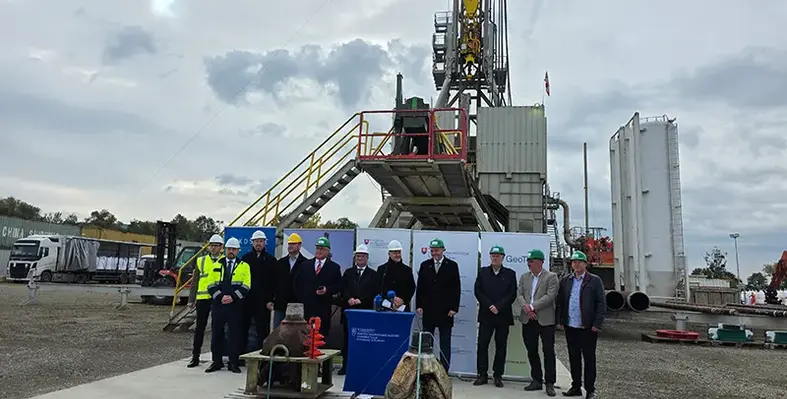
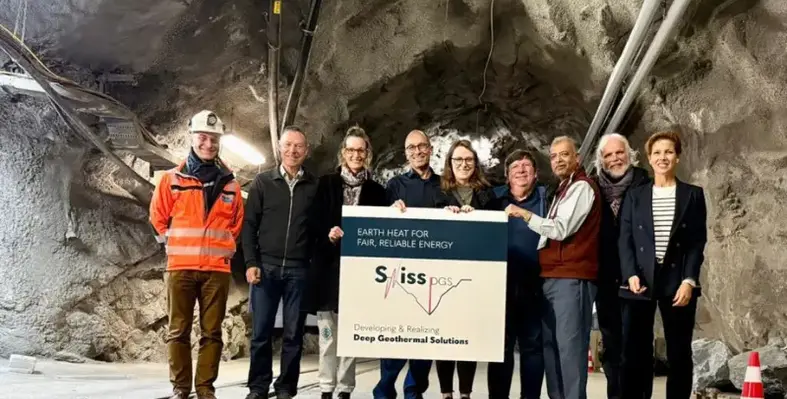
After three decades of planning, Košice is set to begin its long-awaited geothermal energy project today.
- Region: Europe
- Topics: Geothermal
- Date: 10 October, 2025
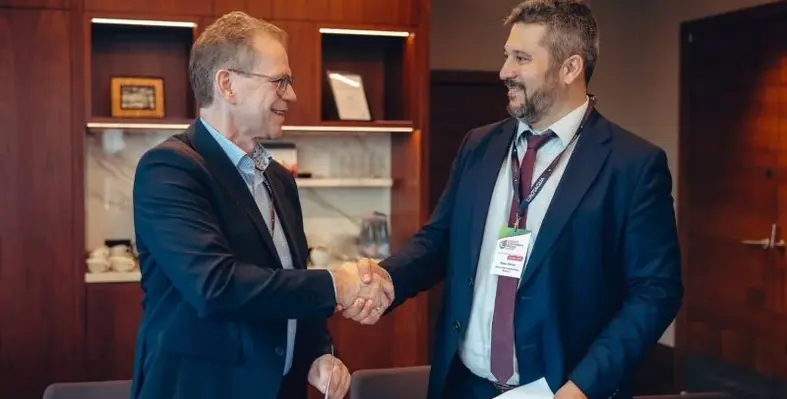
Under the new agreement, Halliburton will conduct a subsurface feasibility study to help accelerate the deployment of EAPOSYS Advanced Geothermal Systems (AGS), to help contribute to the industrialisation of EAPOSYS’ engineering and well design.
- Region: Europe
- Topics: Geothermal
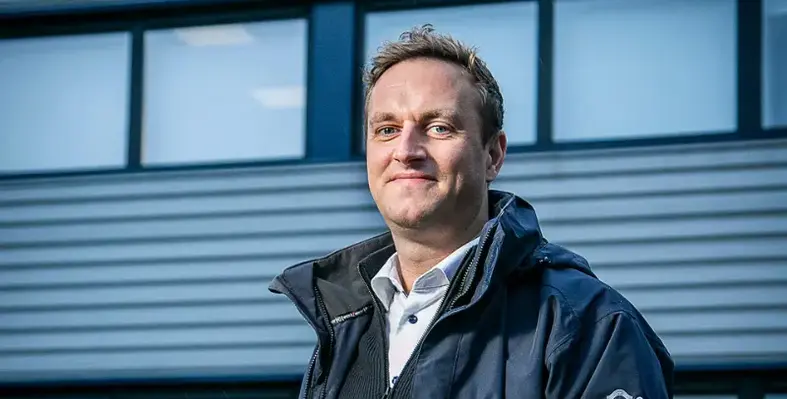
ÍSOR (Iceland GeoSurvey) has announced a new partnership with AGEN (Arctic Green Engineering Services), a Hungary-based international consultancy specialising in geoscience, engineering, technical services, and innovation
- Region: Europe
- Topics: Geothermal
- Date: 2 October, 2025
OSSO has secured a major geothermal contract to provide its high-capacity mud cooling technology to support a six well, three rig drilling campaign in Germany’s Upper Rhine region.
- Region: Europe
- Topics: Geothermal
- Date: 29 September, 2025
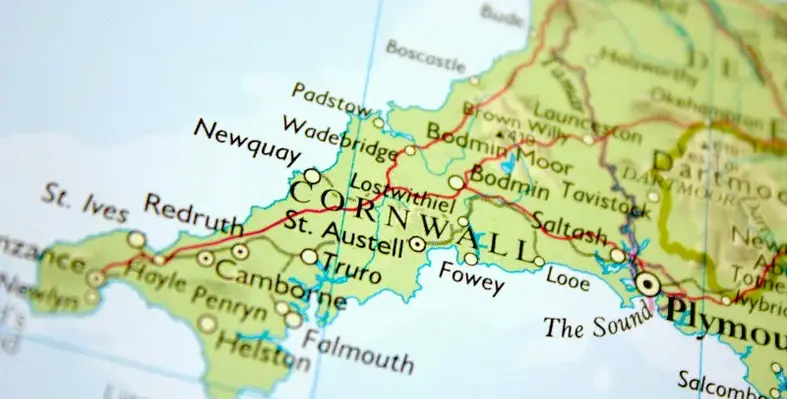
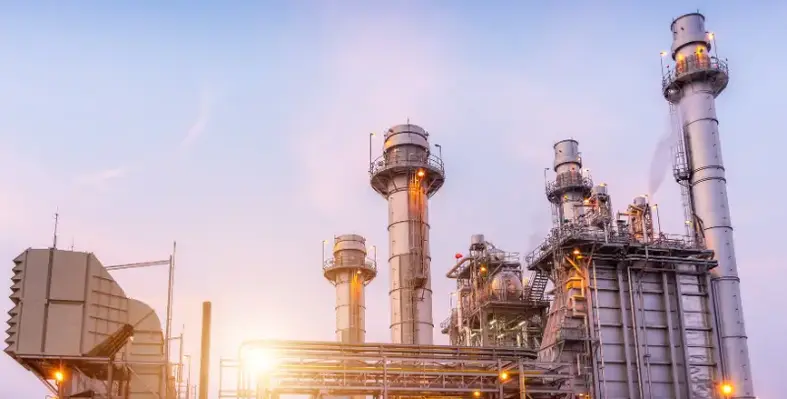
Cornish Lithium has secured further investment from the National Wealth Fund (NWF) to enable the company to develop a secure supply of lithium to the UK.
- Region: Europe
- Topics: Geothermal
- Date: 26 September, 2025
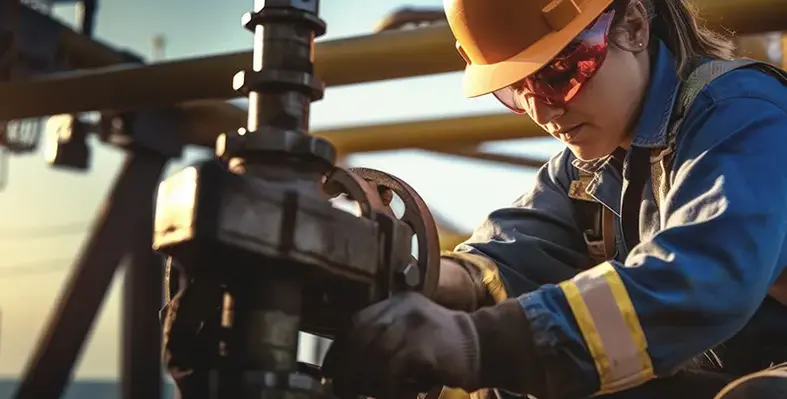
Vulcan Energy has signed a major contract with Turboden and ROM Technik for the development, procurement and construction of the commercial geothermal power plant near Landau, Germany.
- Region: Europe
- Topics: Geothermal
- Date: 25 September, 2025
A merger between two of the energy industry’s largest drillers could create a new heavyweight player within the geothermal sector, bringing with it fresh ideas, new technology and huge financial clout.
Italy’s Saipem and Norway’s Subsea7, best-known for their work across the global oil and gas industry, first announced their intention to merge earlier this year.
The new entity — to be renamed Saipem7, with combined revenues of some €21bn, and to be headquartered in Milan — will also have a strong interest in the emerging technologies being utilised across the geothermal field.
While the completion of the merger is not anticipated until well into 2026, the concentration of resources and huge expertise in drilling could yield significant gains for the advancement of the geothermal industry.
Announcing the rationale behind the merger, the two companies said that the new combined entity would offer a full spectrum of offshore and onshore services for clients working in renewable energy, as well as oil and gas, and carbon capture.
It also builds on existing work, particular by Saipem, which last year announced its intention to accelerate research and development in the geothermal energy world.
That included, for example, a collaboration with Geolog and Ignis H2 Energy to develop advanced technological solutions and conduct feasibilities studies for new geothermal plants in order to obtain clean and renewable energy, both in Italy and worldwide.
At the time, Saipem said the pact formed a part of its wider research and development efforts dedicated to offering geothermal technological solutions and for other energy transition applications.
Saipem also added that its three main areas of interest in the sector relate to next-generation geothermal energy systems, offshore geothermal energy and the conversion of oil and gas wells.
- Region: Europe
- Topics: Geothermal
- Date: 22 September, 2025
Arverne Group has completed Series B2 financing for its subsidiary, Lithium de France.