
 The U.S. Department of Energy’s Hydrocarbons and Geothermal Energy Office (HGEO) has announced a US$14mn demonstration project in Pennsylvania to support field tests for enhanced geothermal systems (EGS).
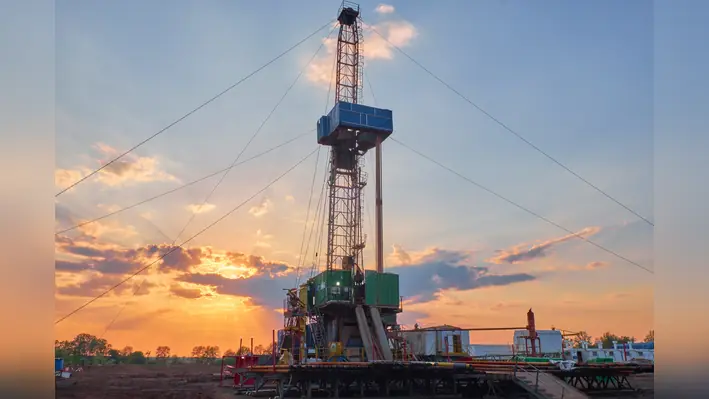
The new project is led by the Pennsylvania Department of Environmental Protection, and will leverage the significant thermal resources in the Appalachian Utica Shale to assess the efficacy and scalability of EGS in the eastern United States. It will involve converting a horizontal shale gas well to geothermal and will include the assessment of optimal well orientations and placements, as well as testing various techniques to create the fractures necessary for an enhanced geothermal system. If successful, the project could potentially be replicated to expand the use of EGS in more locations nationwide.
Demonstration projects play a vital role in driving further growth of reliable, cost-effective geothermal energy as they help expand knowledge and data about EGS reservoirs and how they function, and to understand EGS in a variety of geographic locations, geologic formations, and subsurface conditions. They help de-risk technologies required to develop EGS reservoirs; identify problems not apparent at lab-based scales; promote opportunities for collaboration to establish best practices and standards; and provide opportunities to connect with consumers and offtakers to understand their needs.
This project is the second-round selection under HGEO’s Office of Geothermal (OG) EGS Pilot Demonstrations opportunity. Other projects supported under this initiative include:
• Chevron New Energies EGS pilot: this will use innovative drilling and stimulation techniques to access geothermal energy near an existing geothermal field
• Fervo Energy pilot: within the Milford Renewable Energy Corridor in Utah and adjacent to the DOE’s Frontier Observatory for Research in Geothermal Energy (FORGE) field laboratory, this project aims to produce power from each of three wells at a site with no existing commercial geothermal power production
• Mazama Energy project: this will demonstrate super-hot (above 375°C) EGS on the western side of Newberry Volcano in Oregon, helping to advance the science needed to operate in extreme heat conditions.
“The Department of Energy’s investments in enhanced geothermal systems represent a key advancement in our national energy strategy as we explore innovative ways to reach and use geothermal resources beyond what is currently possible,” said Kyle Haustveit, Assistant Secretary of the Hydrocarbons and Geothermal Energy Office. “As the first enhanced geothermal systems demonstration site located in the eastern United States, this project offers an important opportunity to assess the ability of such systems to deliver reliable, affordable geothermal electricity to Americans nationwide.”