 Seequent, The Bentley Subsurface Company, and the Cascade Institute have announced a collaboration to develop a state-of-the-art model — The Canadian Thermal Model — aimed at further understanding the nation’s geothermal potential.
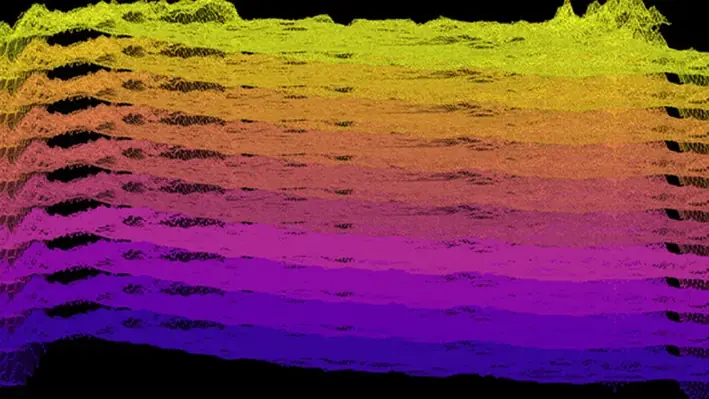
The model will integrate over 20 input layers of geoscientific data related to geothermal energy to evaluate Canada’s nationwide deep heat resources, the group said in a statement.
“Canada has a significant opportunity to advance geothermal when the need for reliable, always-on clean energy has never been greater,” said Jeremy O’Brien, Energy Segment Director, Seequent.
“Realising that potential starts with greater subsurface certainty and making data accessible to key stakeholders. Combining this access with best-in-class geophysics enables more accurate mapping of heat at depth. The Canadian Thermal Model brings these elements together to create a national view of deep geothermal resources, helping to reduce risk, guide investment, and accelerate development.”
As investment in geothermal energy surges globally as a reliable, always-on clean power source, the Canadian Thermal Model aims to create a comprehensive national view of deep heat resources using novel machine learning methods to address a long-standing challenge for the sector: limited subsurface data coverage.
Seequent is providing access to its world-leading geophysics software to accelerate research into the Earth’s subsurface.
This initiative advances knowledge of Canada’s geothermal energy reserves by integrating geologic and geophysical datasets into InterPIGNN machine learning algorithm for deep heat modelling.
By improving confidence in where geothermal resources are located, the model provides a critical foundation to inform investment, policy planning, and project development nationwide.
The Cascade Institute, a think tank at Royal Roads University, will lead the project through its Deep Geothermal programme.
“Canada has world-class subsurface expertise and a growing opportunity to lead in geothermal,” said Thomas Homer-Dixon, Executive Director of the Cascade Institute.
“This project will provide a foundational resource to demonstrate the technical and economic viability of geothermal energy at scale.”
The Canadian Thermal Model reflects a broader industry shift toward data-driven geothermal development, including next-generation technologies and national-scale resource assessment.
It also underscores the growing importance of partnerships between research institutions, technology providers and the wider energy sector to scale geothermal from opportunity to infrastructure.
Seequent supports more than 60% of the world’s geothermal power generation, with experience spanning next-generation projects such as Fervo Energy’s Cape Station in Utah, and long-established operations including Ormat’s global footprint, reflecting deep expertise that drives the sector forward.