
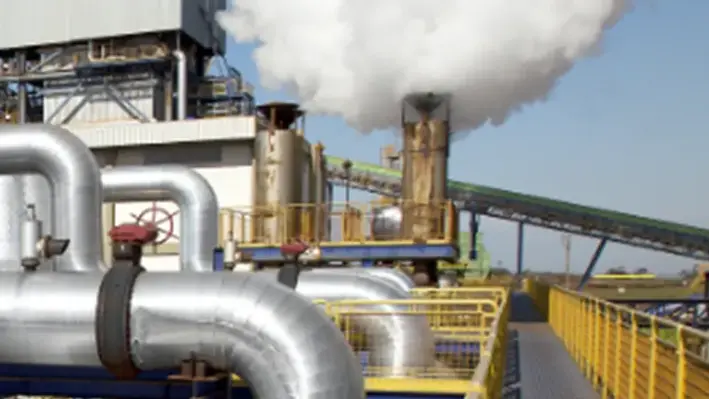
 Szeged, Hungary, has officially completed its ambitious geothermal district heating project, marking a major milestone in sustainable urban energy solutions.
Launched in 2018, the project now encompasses nine heating districts, including Sziler, Tarjan, and the newly finished Rokus II, providing geothermal energy to 95% of the city’s 27,000 apartments connected to the district heating network.
The local district heating company, Szeged Távfuto Kft. (SZETAV), has invested approximately HUF 5–6 bn (US$15–18 million) over the last eight years to modernise its heating plants and integrate geothermal energy. The Rokus geothermal heating plant draws thermal fluids from depths of 1,675–1,950 metres at temperatures of 93–94 °C, with an average flow rate of 80 cubic metres per hour. The construction cost for this final district reached HUF 1.7 billion, 60% of which was funded by the European Union.
This transition to geothermal heating has already produced remarkable results. The district heating company has cut natural gas consumption by 10 million cubic metres annually and reduced CO2 emissions by up to 20,000 tonnes per year. Gábor Bozsó, technical manager of Szeged Távfuto Kft.said, “Natural gas consumption can be further reduced by fine-tuning the system, improving the insulation of houses, and using heat pump systems.”
Looking ahead, Geo Hoterm Kft., in collaboration with SZETAV, is taking further steps to enhance sustainability by reducing methane emissions from geothermal operations. Supported by the Swiss Fund, gas separator equipment will be installed at the production wells of all nine geothermal systems. Once completed by April 2027, this initiative is expected to replace an additional 1.8 million cubic metres of natural gas annually, further strengthening Szeged’s position as a pioneer in renewable district heating.
This project highlights Hungary’s commitment to green energy innovation, sustainable urban heating solutions, and the decarbonisation of district energy systems, setting a benchmark for other European cities aiming to transition from fossil fuels to geothermal energy.