
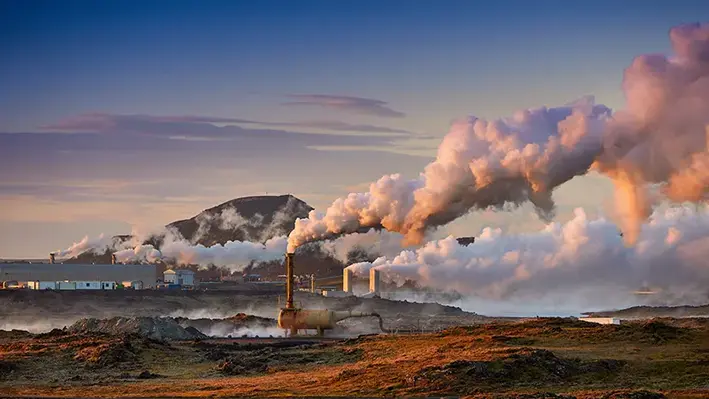
 As Europe accelerates its clean energy transition, geothermal energy is re-emerging as a powerful driver of sustainable growth.
According to the European Geothermal Energy Council (EGEC), 2025 marks a turning point for the sector, with Central and Eastern Europe (CEE) firmly in the spotlight. Poland and Hungary, in particular, are positioning themselves as leading geothermal hotspots, thanks to a surge in projects, drilling activity and long-term investment confidence.
After several challenging years marked by volatile energy markets and rising borrowing costs, the geothermal industry is regaining momentum. EGEC highlights renewed optimism across Europe, underpinned by a growing pipeline of geothermal power plants and district heating and cooling (DHC) systems.
Miklos Antics, EGEC President, said, “the last few years have not been easy for the geothermal sector, with unstable energy prices and high interest rates deterring investors. But now we are starting to see signs of revival, notably in terms of new drilling activities linked to geothermal energy projects, including new power plants as well as heating and cooling plants.”
District heating and cooling remains a cornerstone of geothermal deployment. In 2025, four out of ten new European geothermal DHC projects were launched in CEE, including three in Poland and one each in Greece and Romania. These developments underline geothermal energy’s growing role in decarbonising urban heat networks and reducing reliance on fossil fuels. “Romania increased the geothermal share in its district heating mix from 8 per cent to 11 per cent, and it is projected to reach 25 per cent within three years,” she said during the webinar where EGEC presented the report.
Looking ahead, EGEC forecasts an exponential rise in geothermal drilling from 2025 onwards. With over 500 DHC projects currently under development across Europe, demand for surveys and new wells is set to soar. Germany leads in volume with 170 projects, but Poland (72 projects) and Hungary (47 projects) stand out as the most dynamic geothermal markets within the EU.
This rapid expansion, however, will depend on supportive policies and investor-friendly frameworks. Philippe Dumas, EGEC’s Secretary-General, added, “We are seeing positive signs of growth. However, the rate of growth will also depend on having a favourable financial, regulatory and policy framework that encourages investments in geothermal projects. Therefore, the highly anticipated European Geothermal Action Plan, which is due to be launched in 2026, will have a vital role to play.”
As Europe strives for net zero and energy security, geothermal energy is fast becoming a cornerstone of the continent’s renewable future.