
 Chevron CEO Mike Wirth has outlined a pragmatic yet forward-looking vision for the energy transition, positioning biofuels and geothermal energy as key growth opportunities alongside the company’s core oil and gas business.
Speaking at the WSJ CEO Council in Washington, Wirth explained how Chevron is balancing near-term emissions reduction with long-term investment in scalable, low-carbon technologies.
“We worked on things that leveraged our capabilities, our customers, our value chains,” said Chevron CEO Mike Wirth, pointing to the company’s growing focus on hydrogen, carbon capture and storage (CCS), geothermal energy and biofuels. While Chevron continues to expand its traditional oil and gas portfolio, Wirth stressed that future-facing energy solutions must align with the company’s technical strengths and commercial expertise.
“We start with things where we have some reason to believe we can create shareholder value, where we’ve got skills and competency, so we didn’t go into wind or solar because we’re not a turbine manufacturer installing wind and solar,” he said.
A key principle behind Chevron’s strategy is competitiveness without long-term reliance on government subsidies. As political priorities in the US shift and subsidies for renewables such as wind and solar are reduced, Wirth emphasised the importance of commercial viability.
“There’s certainly a case for subsidies or other forms of government policy to help technologies get established and bring down the cost, but over time we need to invest in things that can compete and deliver return on capital without relying on subsidies,” he noted.
Among alternative fuels, Wirth expressed particular confidence in biofuels, describing them as the most mature low-carbon option currently available. Hydrogen, by contrast, remains challenging. Hydrogen “is proving to be very difficult” because “you’re fighting the laws of thermodynamics,” he said. Nevertheless, Chevron has long-standing experience in the sector, producing around one million metric tonnes of hydrogen annually and retailing it since 2005.
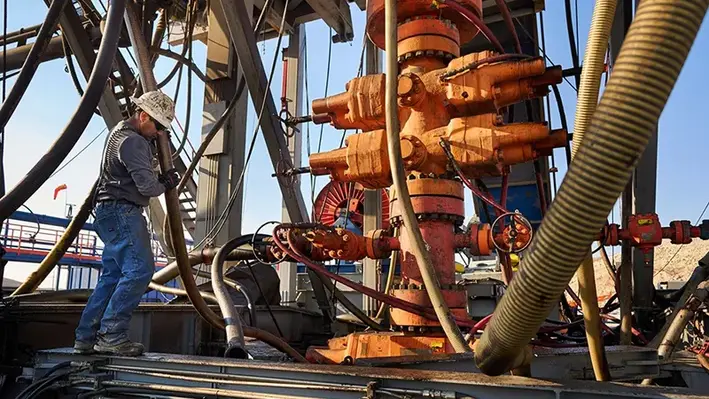
Geothermal energy also features prominently in Chevron’s future plans. According to Wirth, geothermal “offers some real promise,” especially as new technologies emerge to unlock heat from deeper underground. Chevron is leveraging its subsurface expertise and drilling capabilities to help scale next-generation geothermal systems that could provide reliable, baseload renewable power.
The company sees geothermal as a non-intermittent energy source that can complement wind and solar while meeting rising global electricity demand. It is also one of the few renewable technologies currently supported by the Trump administration, which has prioritised domestic oil and gas production.
“There’s no silver bullet, we need it all,” Wirth said, highlighting that demand for oil, coal and alternative energy sources is “higher than it is ever been.”
Wirth also underlined renewed momentum around nuclear energy, calling it “the ultimate low-carbon technology” and stressing that the US and global markets “need more support for nuclear.” Chevron has venture investments in nuclear fusion companies, reflecting its interest in breakthrough energy technologies.
Chevron’s 2024 sustainability report reinforces this balanced approach, stating its ambition “to grow our oil-and-gas business, lower the carbon intensity of our operations and grow new businesses in renewable fuels, carbon capture and offsets, hydrogen, power generation for data centers, and emerging technologies.”